Brixton Road Stockwell SW9 rubbish collection service
Posted on 27/07/2026

Brixton Road Stockwell SW9 rubbish collection service: a practical local guide
If you live, work, manage property, or run a business near Brixton Road in Stockwell, rubbish has a way of piling up faster than expected. One minute it is a broken chair, a few black bags, and some flat-pack packaging; the next, the hallway feels cramped, the garden is unusable, or the office store room has become a graveyard for old equipment. A reliable Brixton Road Stockwell SW9 rubbish collection service helps you clear that mess quickly, safely, and without the usual stress.
This guide explains how the service works, who it suits, what to watch out for, and how to choose the right approach for different kinds of waste. It also covers practical best practice, common mistakes, and the small details that make a collection go smoothly. If you want a tidy, sensible solution rather than a last-minute scramble, you are in the right place.
Why Brixton Road Stockwell SW9 rubbish collection service matters
Brixton Road is busy, exposed, and very much lived-in. That is part of its character. But it also means waste can become an issue quickly: a landlord clearing a flat between tenancies, a shop getting rid of old shelving, a family renovating a kitchen, or someone simply trying to reclaim space in a small London property. In a place like SW9, rubbish is not just untidy. It can affect access, neighbours, and sometimes even safety.
A good collection service matters because it solves several problems at once. It removes bulky items, handles mixed rubbish, and keeps your property usable. It also saves you the awkward business of moving heavy bags down narrow stairs or trying to fit a sofa into a car that was never designed for it. Let's face it, that plan usually collapses around the front door.
There is also a local rhythm to think about. Along roads like Brixton Road, timing matters. If waste is left out too long, it can draw complaints, attract vermin, or just create a messy first impression for anyone walking past. That is a small thing until it is your entrance, your shopfront, or your building fronting the pavement.
For residents and businesses who want a clean, manageable space without turning waste removal into a weekend project, a structured collection service is often the simplest answer. And in a dense part of London, simple is valuable.
How Brixton Road Stockwell SW9 rubbish collection service works
Most rubbish collection services follow a straightforward process, though the details vary by waste type and access. In practice, it usually starts with an assessment of what needs to go. Is it household junk, green waste, office clutter, builders' rubble, or a mix? That first question matters more than people think, because waste type influences handling, loading time, recycling potential, and disposal route.
The second part is access. On Brixton Road and the surrounding Stockwell streets, access can be tight, parking can be awkward, and stairwells are rarely generous. A decent provider will factor that in rather than pretending it is a five-minute job from the pavement to the van.
From there, the collection is usually arranged at a convenient time, the waste is loaded, and the items are taken away for sorting. Reusable or recyclable materials are separated where possible, which is one reason it helps to choose a service that thinks carefully about recycling rather than just chucking everything together.
If you are dealing with a broader clearance job, it can be helpful to see the bigger picture through the services overview. For people clearing larger amounts of household items, a house clearance in Stockwell may be more appropriate. For offices, office clearance in Stockwell can make the process smoother. The right match saves time. Simple, but true.
Key benefits and practical advantages
The biggest benefit is obvious: your rubbish goes away. But the real value is in everything that happens around that simple outcome.
- Faster turnaround: You clear space quickly rather than letting waste sit for days or weeks.
- Less physical strain: No dragging heavy items up stairs or trying to lift awkward furniture without help.
- Better presentation: Useful for landlords, agents, business owners, and anyone preparing a property for sale or letting.
- Improved safety: Fewer trip hazards, broken materials, and sharp edges left lying around.
- More predictable outcome: A collection service is usually easier to plan than self-managing multiple trips to a disposal site.
- Greener handling: Items can be sorted for recycling or proper disposal rather than dumped in a panic.
There is a less obvious benefit too: peace of mind. That sounds slightly soft, perhaps, but when a pile of waste has been bothering you for weeks, the feeling of clearing it properly is surprisingly good. A cleaner room changes how a property feels. You notice the light. The air feels less cluttered. You stop stepping round things.
For projects involving old chairs, wardrobes, or mattresses, furniture-focused removal can be especially useful. See furniture disposal in Stockwell if bulky items are the main issue. For outdoor clear-ups, garden waste removal in Stockwell is the more sensible route.
Who this is for and when it makes sense
This type of collection is not only for big renovation jobs. In fact, some of the most common requests come from ordinary, everyday situations. A spring clear-out. A tenancy changeover. A broken appliance that cannot simply be left by the curb. A busy office that has outgrown its filing cabinets and broken monitors. Nothing glamorous. Very normal.
It makes sense when:
- You have more waste than council bins can reasonably handle.
- You need bulky items removed from inside the property.
- You want a faster, simpler solution than organising multiple trips yourself.
- You are trying to restore order before guests, buyers, tenants, or staff arrive.
- You need a one-off clearance rather than an ongoing waste arrangement.
It is especially relevant for landlords and property managers near Brixton Road, where turnaround times can be tight and first impressions matter. It also helps local businesses, particularly smaller ones that do not have the storage space to keep unwanted items around "just for now". That phrase, by the way, has ruined many a storeroom.
For readers thinking about Stockwell more broadly, local context matters. A tidy, well-managed property is part of the wider appeal described in pieces like Living in Stockwell: an insider's guide and A walk through Stockwell. Clean spaces are not a luxury here; they are part of how people use and value the area.
Step-by-step guidance
If you want the collection to go smoothly, a little preparation goes a long way. Here is the practical version.
- List the waste type. Separate household rubbish, furniture, green waste, electricals, and builders' debris where you can.
- Estimate the volume. A few bags is very different from a full room or a stripped-out flat.
- Check access. Note narrow hallways, stairs, parking restrictions, lifts, or loading points.
- Set aside anything you want to keep. Sounds obvious, but mixed-up items are a classic headache.
- Choose a suitable service. Match the provider to the waste type and scale of the job.
- Arrange a collection window. Give yourself a bit of breathing room if access is tricky.
- Clear the path. Move small obstacles so items can be lifted out efficiently.
- Confirm what happens next. Ask how the waste will be handled, especially if you care about recycling or item separation.
If the job includes construction debris, plasterboard, timber, or mixed renovation waste, a dedicated builders waste disposal service in Stockwell is usually the better fit. Builders' waste is one of those categories that seems simple until you are halfway through moving a bag of sharp offcuts. Then it suddenly matters a lot.
Keep paperwork, invoices, or notes if the collection is tied to a tenancy, business premises, or managed property. Not because you need a mountain of admin, but because tidy records help if questions come up later.
Expert tips for better results
A well-run collection is often decided before the van arrives. Here are the small details that make a real difference.
- Group items by material where possible. Wood, metal, green waste, and general junk are easier to handle when sorted.
- Keep wet waste separate. Damp rubbish is heavier, messier, and often harder to move.
- Protect floors and corners. A quick sheet or board can prevent scuffs in tight hallways.
- Flag anything hazardous early. Paints, sharp objects, batteries, and similar items need extra care.
- Tell the truth about volume. Underestimating waste is the fastest way to create delay.
One useful habit is to take a quick look at the pile from the doorway before collection day. If it feels awkward to move in your own building, it will probably feel awkward for everyone else too. That is your clue to prepare a clearer route.
Also, if you are clearing a workspace, don't forget to separate secure documents and storage items before the rubbish team arrives. A surprised pause over an old box file is not anyone's favourite moment.
For general local waste management information, a broader waste collection in Stockwell page can help set expectations around the service mix, while the site's recycling and sustainability guidance is useful if you want a more responsible disposal approach.
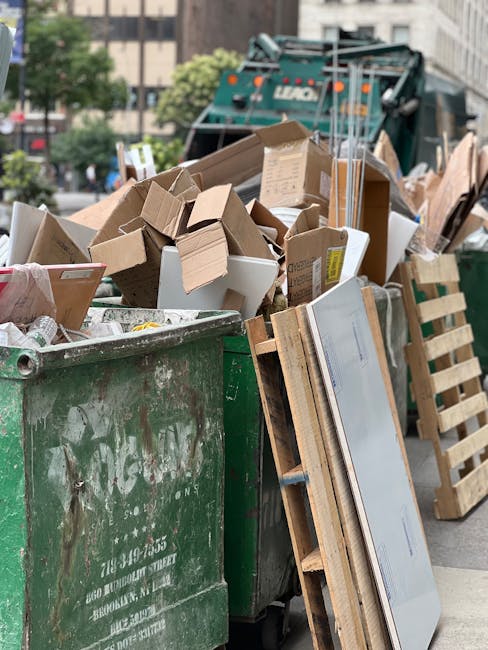
Common mistakes to avoid
The same mistakes crop up again and again. They are easy to make, and to be fair, everyone is a bit optimistic when looking at a pile of waste. Here is what tends to go wrong.
- Leaving sorting until collection day: That slows everything down and increases the chance of errors.
- Mixing keep and discard items: A cardboard box full of random bits is where confusion starts.
- Forgetting access issues: Parking on Brixton Road is not something to leave to luck.
- Assuming all waste is the same: It is not. One bag of garden waste is not the same as one bag of renovation rubble.
- Choosing only on price: The cheapest option is not always the best if it leads to delays or poor handling.
- Ignoring safety: Broken glass, heavy lifting, and cramped stairs can create accidents quickly.
Another mistake is underestimating how much waste a property can generate during a simple tidy-up. You start with one cupboard and somehow end up with a hallway full of things. It happens. Frequently.
If you want a better feel for the company background and how it approaches jobs, the about us page can help with trust-building context. For working out the financial side of a collection, the pricing and quotes information is the more practical place to start.
Tools, resources and recommendations
You do not need special equipment for every collection, but a few simple tools help keep things organised and safe.
| Tool or resource | What it helps with | Why it matters |
|---|---|---|
| Strong refuse sacks | Bagging general rubbish | Reduces spills and makes lifting easier |
| Labels or marker pens | Sorting keep, donate, and discard items | Prevents accidental disposal of useful items |
| Gloves | Handling sharp or dirty waste | Basic protection for hands |
| Floor protection | Moving bulky items through tight spaces | Helps avoid marks and scuffs |
| Service notes | Recording waste type, access, and collection details | Useful for landlords, agents, and businesses |
In terms of service recommendations, start with the waste category, not the item count. That sounds small, but it is the difference between a smooth booking and a frustrating one. A single sofa needs different handling from mixed renovation waste. A garden clear-up needs a different approach again. If you are dealing with office furniture and desks, the most relevant route is often furniture disposal in Stockwell or office clearance, depending on how much needs to go.
One more practical recommendation: keep your disposal plan aligned with the final use of the space. If you are preparing a flat for rental, for example, clearing waste is not just about removing clutter. It is about resetting the property so cleaners, decorators, or new tenants can move in without delay.
Law, compliance, standards, or best practice
Waste handling in the UK is not something to guess your way through. The exact duties depend on the waste type and who is generating it, but the general principle is straightforward: waste should be stored, moved, and disposed of responsibly. If you are a business or landlord, that responsibility becomes even more important because poor handling can create avoidable risk.
Best practice usually means using a service that knows how to separate waste streams where possible, avoids unsafe loading, and handles disposal in a traceable way. If you are clearing an office, a shop, or a managed property, it is sensible to be more careful rather than less. Nobody wants a tidy-up to turn into a compliance headache later.
For domestic clearances, the practical concerns are often safety, access, and proper disposal. For commercial waste, there can also be added responsibility around storage, secure documents, and any material that may need special handling. If a job involves hazardous items, ask about that early. Do not leave it until the last minute and hope for the best. Hope is not a waste strategy.
It is also sensible to choose providers that publish clear information about business practices, policies, and safety. The pages on insurance and safety, terms and conditions, privacy policy, and cookie policy all help you understand how a service is run and what standards it follows.
Options, methods, or comparison table
Not every job needs the same solution. The right method depends on volume, item type, access, and how quickly you need the space back.
| Method | Best for | Pros | Trade-offs |
|---|---|---|---|
| Small bag collection | Light domestic rubbish or a few bulky bags | Quick, simple, low disruption | Not ideal for larger clearances |
| Bulky item removal | Sofas, wardrobes, mattresses, white goods | Good for awkward, heavy objects | Needs clear access and accurate item listing |
| Full property clearance | End-of-tenancy, probate, downsizing, renovation prep | Covers a lot in one visit | Needs more planning and careful sorting |
| Garden waste removal | Branches, grass cuttings, hedge trimmings | Clean and convenient for outdoor jobs | Less suitable for mixed household waste |
| Builders waste disposal | DIY and renovation debris | Handles heavier, messier material | Requires accurate description of materials |
If you are unsure which option fits, ask yourself one simple question: am I clearing a few things, or am I resetting a space? That usually points you in the right direction. Small job, small service. Bigger reset, fuller clearance. Nice and plain.
Case study or real-world example
Here is a realistic example based on the kind of situation people face near Brixton Road. A landlord has a one-bedroom flat turning over between tenants. The previous occupier left a broken chair, several bags of general rubbish, a mirror with a cracked frame, and an old bedside cabinet in the hall. Nothing extreme. Just enough to make the property feel half-finished and awkward to show.
The issue was not the volume alone. It was the combination of tight access, a narrow stairwell, and a short window before cleaning and inspection were due. The smartest move was to sort the items by type, keep anything potentially reusable aside, and book a collection that could remove the waste in one go rather than trying to manage it in bits and pieces.
The result was not dramatic in a cinematic sense. No confetti. But the flat looked sharper, the hallway was clear, and the cleaner could get straight to work. That is the sort of win people often forget to plan for: not just removal, but momentum. Once the waste is gone, the rest of the job starts moving properly.
In another common scenario, a small office near Stockwell has accumulated old chairs, boxed cables, and a filing cabinet nobody wants to deal with. Clearing that space can make room for storage, another desk, or simply a less cramped working environment. If the aim is to remove a mix of items while keeping disruption low, a proper office clearance service is usually a better fit than trying to piece it together ad hoc.
Practical checklist
Use this checklist before your collection day. It keeps things calm. More or less.
- Confirm what waste is being removed.
- Separate keep items from discard items.
- Check stair access, lift use, and parking constraints.
- Measure large furniture if it needs to pass through tight spaces.
- Remove fragile items from the route.
- Group similar waste together where possible.
- Flag any hazardous or unusual items early.
- Have your collection details written down.
- Make sure the property owner, tenant, or manager knows the plan.
- Leave a little buffer in case access takes longer than expected.
Expert summary: The best rubbish collection jobs are the ones prepared in advance. If you know the waste type, understand the access, and choose the right service level, the whole process becomes much faster and far less stressful.
If your job is part of a wider change to a property or business, it can also be useful to keep an eye on local context and planning. For example, discussions around property use and local value often appear in articles such as guide to Stockwell property deals and smart property investments in Stockwell. Clean, well-managed spaces matter more than people admit at first glance.
Conclusion
A Brixton Road Stockwell SW9 rubbish collection service is really about restoring control. Whether you are handling a flat clear-out, a shop refresh, a garden tidy, or a heavier builders' job, the value lies in making waste disappear in a sensible, safe, and efficient way.
The best results come from good preparation, clear waste sorting, realistic expectations about access, and choosing a service that matches the job rather than forcing everything into one category. Get those basics right and the rest tends to fall into place nicely.
Get a free quote today and see how much you can save.
When the clutter is gone, the space feels lighter. And honestly, that is a very good feeling to have on a street as busy and alive as Brixton Road.


 Tipper Van - Rubbish Removal and Waste Clearance Prices in Stockwell, SW8
 Luton Van - Rubbish Removal and Waste Clearance Prices in Stockwell, SW8


