Bulky rubbish pickup Clapham Road Stockwell
Posted on 13/10/2026
Bulky rubbish pickup Clapham Road Stockwell: a practical guide for homes, landlords, and small businesses
If you are dealing with a sofa that will not squeeze through the hallway, a broken wardrobe that has overstayed its welcome, or the aftermath of a flat clear-out, bulky rubbish pickup Clapham Road Stockwell can save a lot of time and stress. It is one of those jobs that looks simple from a distance and then suddenly becomes awkward the minute you start lifting, measuring, and wondering where on earth to put the old mattress. Truth be told, most people do not need a lecture on rubbish. They need a clear plan, a quick turnaround, and a result that leaves the place tidy again.
This guide breaks down how bulky item collection works in the Clapham Road and Stockwell area, who it suits, what to watch out for, and how to get the best value without cutting corners. Whether you are clearing one item or several, you will find practical advice here that actually helps.
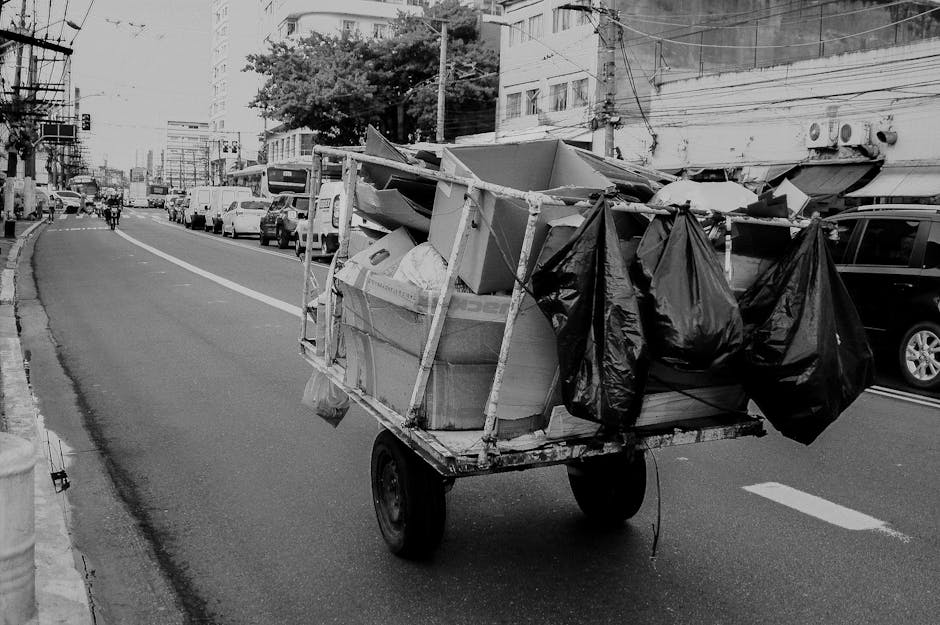
Why Bulky rubbish pickup Clapham Road Stockwell Matters
Bulky waste has a way of piling up quietly. One chair becomes two chairs, then a mattress leans in the corner for three weeks, then the shed starts looking like a museum of things you meant to deal with last month. In a busy London neighbourhood like Stockwell, that clutter is more than an eyesore. It can block access, create trip hazards, attract damp smells, and make a property feel far more neglected than it really is.
For residents around Clapham Road, bulky rubbish pickup matters because space is at a premium. Flats, shared houses, basement storage, and narrow stairwells make self-removal awkward. Even getting a wardrobe down one flight of stairs can become a two-person wrestling match. And if you are in a managed building, there may be rules around where waste can be placed, when it can be moved, and who is allowed to do it.
There is also the timing side of it. Maybe you need the room before a moving day, a tenant handover, or a new furniture delivery. Maybe a renovation has produced more waste than expected. Either way, fast and reliable bulky item removal keeps things moving. Small delay, big headache. You know how it goes.
Just as importantly, proper pickup helps keep recyclable items separated where possible. A good local collection service should think about reuse, recycling, and disposal routes rather than simply loading everything into one pile and hoping for the best.
How Bulky rubbish pickup Clapham Road Stockwell Works
The process is usually straightforward, but there are a few details worth understanding before you book. Most bulky rubbish collection services work around three basic steps: assessment, collection, and disposal. That sounds simple, and in many cases it is. But the difference between a smooth job and a messy one usually comes down to preparation.
1. Describe what you want removed
You start by listing the items. Sofas, mattresses, fridges, wardrobes, desks, bed frames, carpet offcuts, mixed household junk, and garden items are all common examples. The more accurate your description, the better. A single armchair is not the same as a full garage clear-out, even if both "look manageable" at first glance.
Photos help. A quick picture of the items, access points, and any stairs or tight corners can make the quote more realistic. It also avoids that awkward moment where the collection team arrives and says, politely, that the old unit is a lot heavier than it looked online. Happens all the time.
2. Confirm access and timing
In Stockwell, access matters. Think about parking, loading space, lift availability, and whether items need carrying down multiple floors. If the collection is happening during a busy period on Clapham Road, it can be worth planning ahead so the team can work without causing avoidable delays.
Timing matters too. Same-day or next-day pickup is often useful for urgent clearances, but not every job needs to be rushed. If your item is already stored safely and you are not under pressure, booking a slot that fits your schedule can be a calmer way to handle it.
3. Removal and loading
On the day, the crew should remove the agreed items, load them safely, and leave the area as tidy as reasonably possible. Good practice is to keep walkways clear, protect walls where needed, and handle heavy items with proper lifting technique. Bulky waste is not just about strength; it is about moving awkward things without damaging the property.
4. Sorting, recycling, and disposal
After collection, the waste should be taken to an appropriate transfer or processing route. Reusable items may be separated, recyclable materials can be diverted where practical, and the remainder is disposed of correctly. The exact handling depends on the waste type and service provider, but responsible routing matters more than most people realise.
If you also need broader support beyond one-off bulky items, it can help to look at a wider local service like waste collection in Stockwell or, for larger property jobs, house clearance in Stockwell.
Key Benefits and Practical Advantages
There are obvious benefits to getting bulky rubbish picked up, but the less obvious ones are often the most valuable. People think of "getting rid of stuff" and stop there. In reality, a good pickup can simplify the next several steps in your day or week.
- Immediate space recovery: A cleared room feels bigger straight away. Even a small clear-out can change the feel of a flat.
- Less physical strain: Heavy and awkward items are not worth a strained back or scraped knuckles. Let's face it, most of us are not built for carrying wardrobes down stairs.
- Quicker property turnover: Useful for landlords, agents, and sellers who need a place ready for viewing, cleaning, or the next tenant.
- Cleaner presentation: If you are redecorating or staging a home, bulky items create visual drag. Remove them and the room suddenly looks cared for.
- Better organisation: Once the biggest obstacles are gone, it becomes far easier to sort what stays, what goes, and what can be reused.
- Reduced disposal mistakes: A proper service should know how to handle different item types responsibly, rather than sending everything to the wrong place.
There is also a mental benefit, and people often underestimate this. A room full of old furniture, broken appliances, or collapsed boxes can quietly drain your energy. When it is gone, you notice the difference before you can even explain it. The air feels lighter. The space feels usable again. That matters.
Who This Is For and When It Makes Sense
Bulky rubbish pickup is not only for emergency clear-outs. It makes sense for all sorts of everyday situations, especially in a dense local area like Clapham Road and Stockwell where storage is limited and moving large items yourself can become complicated fast.
Homeowners and tenants
If you are replacing furniture, clearing a spare room, or finally dealing with the old mattress in the loft, a bulky item collection is often the simplest route. Tenants moving out also use this service when they need to leave a property tidy and avoid last-minute panic. Nobody enjoys trying to squeeze a broken bed frame into a car at 8 p.m. on a wet evening.
Landlords and letting agents
Vacant properties often need a fast reset. Left-behind sofas, bags of clutter, and broken items can slow down refurbishments or viewings. A reliable pickup can help restore a clean baseline quickly. For larger post-tenancy work, some people combine it with a builders waste disposal service in Stockwell if there has been repair or light renovation too.
Small businesses and offices
Shops, studios, and offices sometimes need to dispose of old desks, shelving, storage units, or packaging waste. If a workspace is being reorganised, bulky pickup is often the fastest way to clear the dead weight. For workplace-specific jobs, office clearance in Stockwell may be more suitable than a single-item collection.
People with limited access or no vehicle
If you live in a flat without a lift, or you simply do not have a van, pickup starts to look less like a convenience and more like the practical answer. And there is no shame in that. You are paying for time, handling, and logistics, not just for someone to carry a sofa. That is the point.
Step-by-Step Guidance
If you want the process to go smoothly, treat it like a mini project. Nothing dramatic. Just a few sensible steps upfront.
- Walk through the space and identify every bulky item. Be honest about what is going. Half-clearance jobs often become full-clearance jobs after one more look.
- Separate bulky waste from keep/reuse items. It sounds basic, but it avoids accidental disposal of useful things. A lamp, a charger, or a set of drawers can disappear into the wrong pile very quickly.
- Take photos from different angles. Include the access route if possible. Narrow halls, stairs, and parking restrictions all affect the job.
- Ask how the service handles different materials. Wood, metal, fabric, mattresses, and electrical items may be treated differently. A decent provider should explain this clearly.
- Check whether lifting is included. Some services collect from the kerb; others remove items from inside the property. This is one of those details people forget, then regret.
- Choose a time that suits the building and your neighbours. If you live in a shared block, think about noise and access around school runs, deliveries, or peak foot traffic.
- Prepare the items before arrival. Remove loose contents, unplug appliances, and clear paths where you can. Small effort, big payoff.
- Inspect the area afterwards. A quick check for screws, splinters, broken glass, or missed bits of packaging is worth doing before you move on.
If the clearance is part of a larger refresh, you might also want to pair it with garden tidy-up support through garden waste removal in Stockwell or furniture-specific removal via furniture disposal in Stockwell.
Expert Tips for Better Results
Here is the part people often skip, and then later wish they had not.
First, do not underestimate access. A bulky item that seems fine in the lounge can become a problem on the staircase. Measure doorways if you are unsure. A tape measure takes less than a minute and can save a lot of faff.
Second, group items by type. If you have a sofa, a wardrobe, and a pile of broken shelving, keeping them visually separated makes it easier to quote accurately and easier to load efficiently. A neat pile looks less chaotic, and yes, that matters to the crew too.
Third, be realistic about lift-and-carry work. Some jobs are straightforward. Others involve awkward angles, a shared landing, or a basement flat with no direct access. If you know your property has tricky bits, say so early. It leads to fewer surprises and usually a better result.
Fourth, think ahead about what you may want to keep. Once bulky waste is moving out, items can disappear into the "just take it" category too easily. I have seen people part with things they actually meant to sell, donate, or repurpose. Slightly annoying, that.
Fifth, ask about recycling and reuse. A responsible team should be able to explain what happens next in broad terms. You do not need a detailed flow chart, but you do want confidence that useful material is not being treated carelessly.
Practical takeaway: The best bulky pickup jobs are the ones prepared before the van arrives. Clear access, accurate item descriptions, and a sensible timeline usually make the biggest difference.
If you are comparing local options, it can help to review the provider's general service range on their services overview and check the company background on the about us page. Small details there often tell you more than a glossy sales line does.
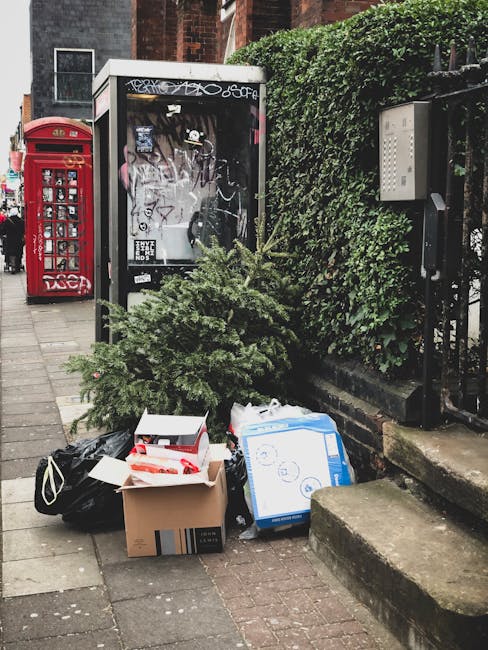
Common Mistakes to Avoid
Bulky rubbish pickup sounds easy until the details bite back. These are the mistakes that cause the most friction.
- Leaving the booking until the last minute: If you need the job done before a move-out, delivery, or inspection, book early. Last-minute jobs can still work, but options are narrower.
- Guessing the load size: A "few bits" can turn into a van load quicker than expected. Describe the job honestly so you get a realistic quote.
- Mixing prohibited items in without asking: Certain waste types need special handling. Always confirm before adding electricals, hazardous bits, or unusual materials.
- Assuming everything includes collection from inside: Some services only collect from outside or from ground level. That assumption can turn a simple booking into a mismatch.
- Forgetting access restrictions: Parking, entry codes, timed loading bays, and stair access can all affect the collection. Small omission, big delay.
- Not separating reusable items: A good chair, table, or cabinet might be better reused or passed on rather than added to waste.
- Choosing on price alone: Cheapest is not always best. Reliability, insurance, handling, and disposal standards matter, especially in shared buildings.
A slightly annoying truth: the more cramped the property, the more planning pays off. Stockwell flats and terraced properties can be brilliant to live in, but they are not always kind to oversized furniture. You may only need ten extra minutes of preparation, but those ten minutes save a lot later.
Tools, Resources and Recommendations
You do not need a lot of equipment, but a few simple tools make the process smoother.
- Tape measure: Useful for checking whether large items can pass through doors, turns, or stairwells.
- Phone camera: Photos help with quotes, access checks, and avoiding misunderstandings.
- Gloves: Helpful if you are sorting items or moving lighter bits before the pickup.
- Marker labels or sticky notes: Good for marking what stays and what goes, especially in mixed rooms.
- Basic trolley or sack truck: Useful if you are moving compact items within the property before collection.
- Strong bin bags or reusable sacks: Handy for loose contents, cushions, small parts, and packaging.
On the service side, a few pages are worth checking before you book. Pricing should be clear enough that you understand what is included. Safety and insurance information should be easy to find. Payment details should feel straightforward and secure. And if sustainability matters to you, review the provider's approach to recycling and responsible disposal.
Useful pages to review include pricing and quotes, insurance and safety, payment and security, and recycling and sustainability. Those pages tell you a lot about how seriously a company treats the job.
If you are just getting a feel for the area and how local services fit into everyday life, the blog articles on living in Stockwell and discovering Stockwell on foot give a nice sense of the neighbourhood too. Not essential, but useful context.
Law, Compliance, Standards, or Best Practice
With bulky waste, the safest approach is to stick to recognised UK waste-handling practice and keep the job transparent. You do not need to know every detail of waste legislation to make a sensible booking, but you should expect the collection provider to handle waste properly and explain any limits clearly.
As a customer, the most practical points are simple:
- Only hand waste to a collection service that can clearly explain where it goes.
- Do not leave items in communal areas unless your building rules allow it.
- Separate items that may need special care, such as electrical equipment or materials that are not ordinary household waste.
- Be accurate about what you are disposing of, because hidden items can change how a collection must be handled.
- Keep proof of booking, payment, and any notes about the waste description for your own records.
In mixed residential buildings, best practice also includes keeping corridors clear, avoiding obstruction of fire routes, and not leaving bulky items where neighbours must step around them. That last one should go without saying, but well, real life sometimes needs saying twice.
If you are a landlord or managing a move-out, the safer course is to make arrangements before the property inspection rather than after. It avoids disputes, rushed loading, and the classic "who left this here?" conversation no one wants to have.
Options, Methods, or Comparison Table
There is more than one way to deal with bulky rubbish, and the best option depends on speed, access, item type, and how much work you want to do yourself.
| Method | Best for | Pros | Things to consider |
|---|---|---|---|
| Private bulky rubbish pickup | Quick, convenient removal from homes or businesses | Fast, flexible, minimal lifting for you | Usually depends on accurate description and access details |
| Council collection | Planned household bulky waste | May suit simple non-urgent jobs | Often less flexible on timing and item limits |
| Self-haul to a facility | People with a suitable vehicle and lifting help | Can work well for smaller jobs | Requires transport, time, and handling effort |
| Reuse, donate, or sell | Usable furniture or items in decent condition | Reduces waste and may help another household | Takes time and the item must be genuinely suitable |
For many people in Stockwell, the private pickup route is the most practical because access is the issue, not just disposal. If you have a large sofa in a top-floor flat, the question is not "how do I get it away?" but "how do I get it away without damaging walls, doors, or my back?" A pickup service answers that rather neatly.
For larger, mixed jobs, you might also need a broader clearance rather than one-off collection. In those cases, services like house clearance Stockwell or a targeted builders waste disposal can be a better fit. The right method depends on what is actually sitting in the room.
Case Study or Real-World Example
Imagine a two-bedroom flat near Clapham Road where a couple is preparing to move out. They have an old sofa, a broken bed base, a wardrobe that will not make the stair turn, and a couple of boxed odds and ends from years of "we will deal with that later." The estate agent wants the place cleared before new photos are taken. The removal deadline is tight. The hallway is narrow. Classic situation.
They photograph the items, measure the worst doorway, and book a pickup with clear instructions about access and parking. On the day, the crew arrives, removes the bulky pieces first, then clears the smaller mixed bits. The flat feels transformed in under an hour. Not glamorous, but very effective.
What made the difference? Three things: accurate item description, good access notes, and a realistic expectation of what needed removing. No drama. No guesswork. Just a straightforward process that matched the job.
That kind of result is common when the plan is sensible. It is not magic. It is just tidy logistics done properly.
Practical Checklist
Use this before your bulky rubbish pickup in Clapham Road Stockwell. It keeps the job calm and avoids the usual last-minute scramble.
- List every item you want removed.
- Check whether any items are reusable or should be kept aside.
- Take clear photos of the waste and access route.
- Measure large items if they need to pass through tight spaces.
- Confirm stairs, lift access, parking, and entry instructions.
- Ask whether loading from inside the property is included.
- Separate ordinary bulky waste from anything that may need special handling.
- Make sure communal areas and fire exits stay clear.
- Choose a collection time that works for the building and your schedule.
- Keep the booking details and any quote notes in one place.
- Do a final sweep after collection for screws, packaging, or missed fragments.
Quick reality check: if you have to keep saying "that should be okay," it is probably worth measuring again. A tiny pause now can save a much bigger problem later.
Get a free quote today and see how much you can save.
Conclusion
Bulky rubbish pickup Clapham Road Stockwell is really about making life easier in a place where space, access, and timing all matter. A good collection service helps you clear large items without turning the job into a whole-day ordeal. It gives you back room to move, room to think, and usually a bit of peace as well.
If you plan the pickup properly, choose a service that is clear about access and disposal, and avoid the usual rushed decisions, the whole experience becomes much simpler than people expect. That is the honest truth. And once the clutter is gone, the room feels different in a way that is hard to describe but easy to appreciate. Softer. Calmer. More yours again.
When you are ready, take the practical route, keep it simple, and let the heavy lifting be someone else's problem for a change.


 Tipper Van - Rubbish Removal and Waste Clearance Prices in Stockwell, SW8
 Luton Van - Rubbish Removal and Waste Clearance Prices in Stockwell, SW8


